Finding Calm in Nature: Supporting Children Through Big Emotions

What Are Emotions?
Emotions are signals from the nervous system. They help us survive, connect, and make sense of our experiences. When people struggle to understand or regulate emotions, it can affect their behaviour, learning, relationships, and confidence.
On the farm, people have the opportunity to slow down, tune into their bodies, and practise emotional awareness through hands‑on, sensory experiences, whether brushing a horse, sitting quietly with a guinea pig, or observing the ducks by the lake.

What Happens in the Body During Big Emotions?
When someone feels an emotion, their brain and body work together:
- The amygdala detects a feeling or threat.
- The nervous system activates; heart rate, breathing, and muscle tension may change.
- The body sends a message: something needs attention.
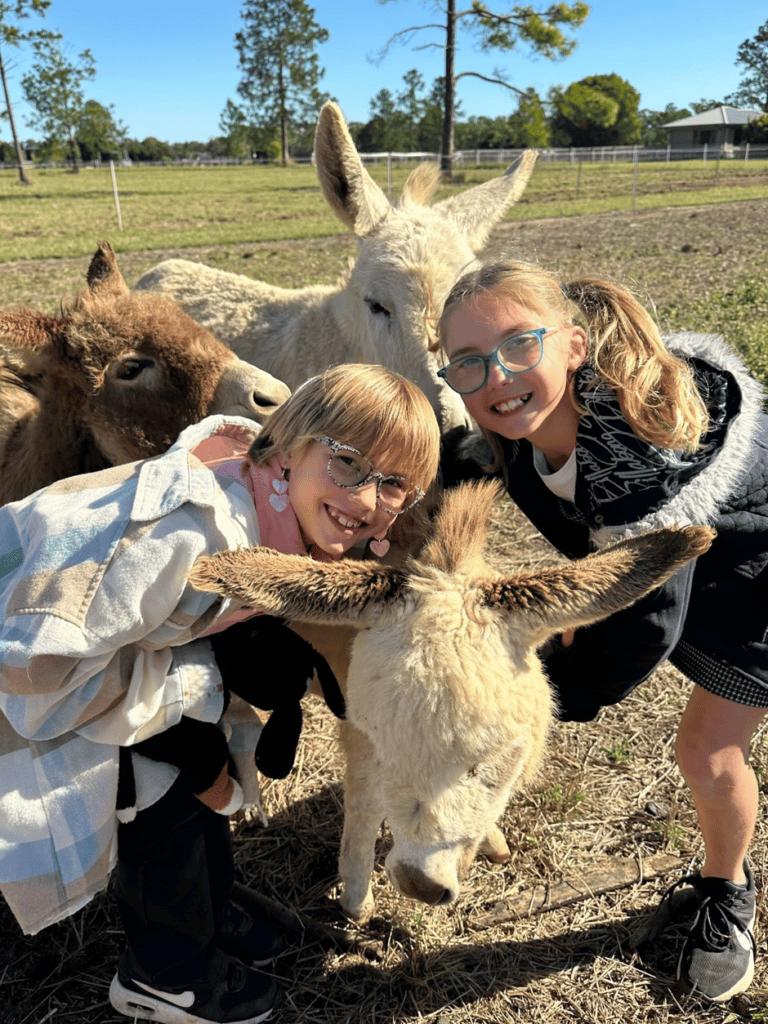
Nature naturally supports this process. The rhythmic sway of trees, the warmth of an animal’s body, the crunch of gravel underfoot, or the softness of a donkey’s coat all provide grounding sensory input that helps the nervous system settle.
How Nature-Based OT Helps Children Understand Their Emotions
Our farm environment offers a safe, supportive space to explore emotional cues and practise regulation strategies. Animals, in particular, are powerful co‑regulators; they respond calmly, consistently, and without judgment.
Below are common emotions many people experience, what they signal, and how our nature‑based therapy setting can support them.
Common Emotions and How Nature Helps Children Respond
Anxiety: “There might be a threat” → Ground
Anxiety tells the body it might not be safe. On the farm, grounding activities, like leading a goat, feeling the texture of hay, or noticing the sounds around the lake, help people reconnect with the present moment and feel secure.
Anger: “A boundary has been crossed” → Pause
Anger signals that something feels unfair or unsafe. Pausing with an animal, such as brushing a horse or feeding the goats, helps people practise slowing their reactions and noticing what their body is telling them.
Sadness: “Something is lost” → Reach out
Sadness invites connection. Many people often find it easier to reach out when sitting with a gentle animal like a guinea pig or dog, allowing them to feel supported while processing loss or disappointment.
Shame: “I feel unworthy” → Speak it
Shame often causes people to withdraw. In a quiet natural space, under a tree, beside the paddock, individuals can safely express feelings with the support of a therapist and the calming presence of animals who accept them unconditionally.
Guilt: “I’ve gone against my values” → Repair
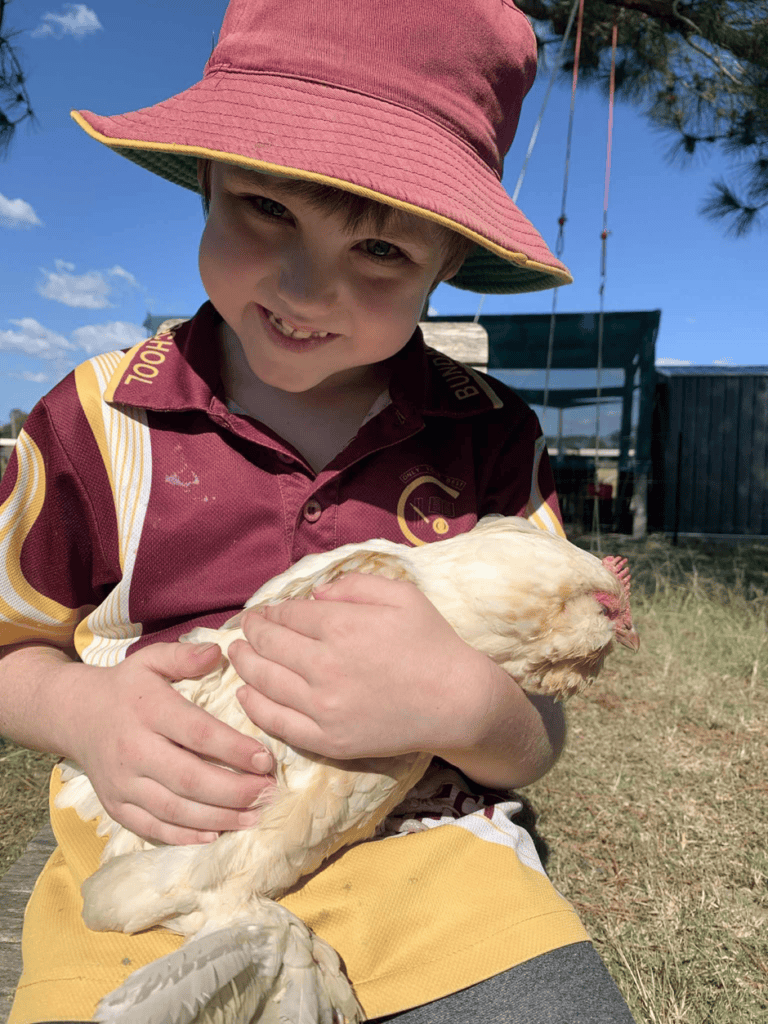
Guilt encourages learning and making amends. Farm tasks like helping refill water buckets or caring for the chickens provide opportunities to practise responsibility and repair in a meaningful, hands‑on way.
Fear: “I don’t feel safe” → Slow down
Fear activates the body quickly. Slow, rhythmic activities, walking with a horse, watching ducks glide across the lake, help the nervous system shift from high alert to calm.
Loneliness: “I feel disconnected” → Reconnect
Connection is a basic human need. Animals offer non‑verbal companionship, helping people feel seen and valued while building confidence to reconnect with others.
Jealousy: “I feel insecure” → Refocus
Jealousy highlights unmet needs or comparisons. Working with animals teaches individuals to focus on their own strengths and progress, rather than what others are doing.
Overwhelm: “This is too much” → Simplify
Nature reduces sensory load in a natural way. Walking in open grassy areas, listening to birds, or engaging in simple farm tasks helps individuals break things down into manageable steps.
Disappointment: “My hope wasn’t met” → Acknowledge
Disappointment is part of learning resilience. Acknowledging feelings while engaging in calming activities, like observing turtles sunbathing or collecting eggs, helps people process and move forward.