Out of the Clinic, Onto the Farm: Developing Fine and Gross Motor Skills in Nature


When it comes to building motor skills, traditional clinic rooms with therapy putty, steps, and balance beams offer fantastic, structured support. However, taking therapy outside introduces a whole new dimension of physical problem-solving. A farm environment filled with animals offers a dynamic, real-world playground that challenges a child’s body in beautifully unpredictable ways.
For families seeking occupational therapy in Bundaberg, combining nature with animal care provides diverse, engaging opportunities to develop both strength and precision alongside traditional therapeutic goals.
The Ultimate Gross Motor Challenge
Indoor floors are flat and predictable. A farm, however, is beautifully uneven and active. Navigating spaces alongside animals naturally challenges a child’s balance, strength, and body awareness without it ever feeling like “exercise.”
- Dynamic Balance & Navigation: Walking through paddocks, stepping onto uneven dirt paths to visit the horses or donkeys, and navigating around free-ranging chickens and ducks, forces the core and ankles to make constant micro-adjustments.
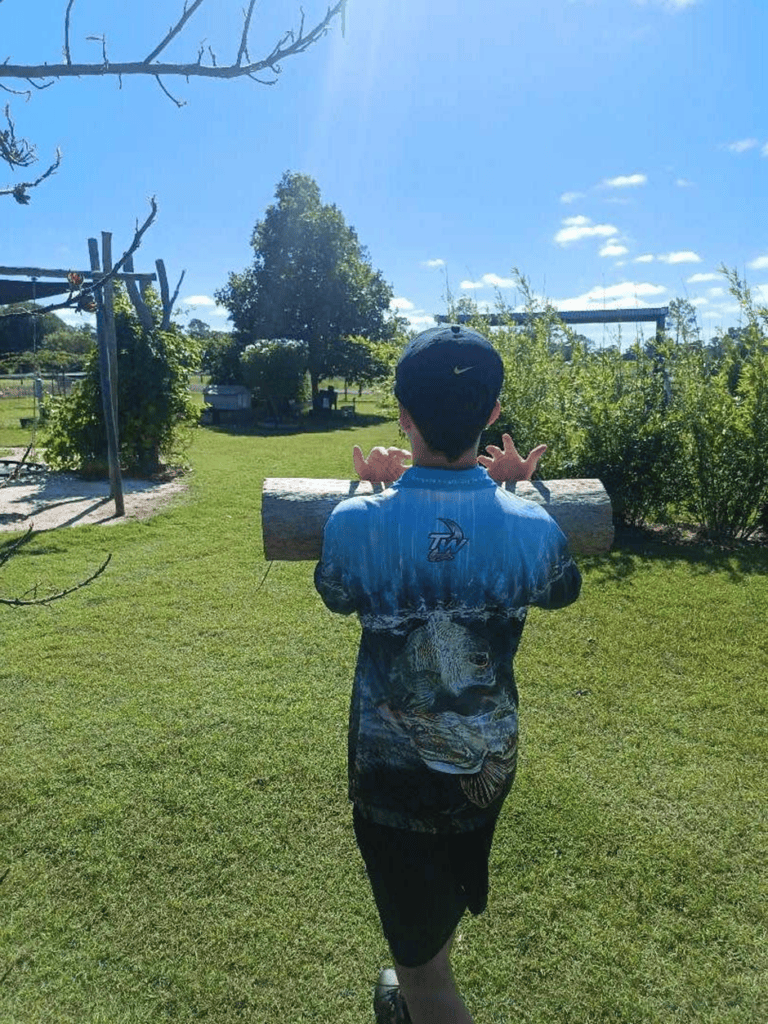
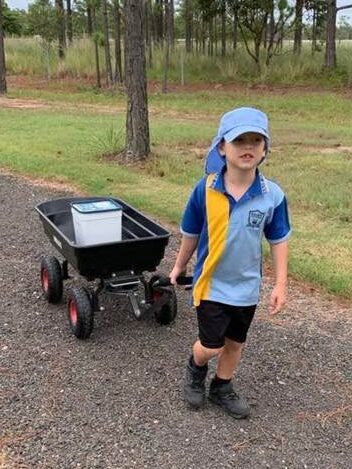
- Heavy Work & Full-Body Strength: Caring for animals requires genuine physical effort. Gripping and pulling a heavy garden hose across the yard to fill up different animal water troughs or the duck pond provides deep resistive input (proprioception), building total-body strength and helping children feel grounded.
- Motor Planning & Agility: Moving safely around the larger animals like horses, or changing direction quickly while playing with the dogs, requires a child to plan their movements, judge distances, and manage their spatial awareness in real-time.
Precision and Care: Fine Motor Skills in the Wild
Fine motor development isn’t just about sitting at a desk with a pencil; it’s about hand strength, finger isolation, and bilateral coordination (using both hands together). Animals are the ultimate motivators for precise finger movements.
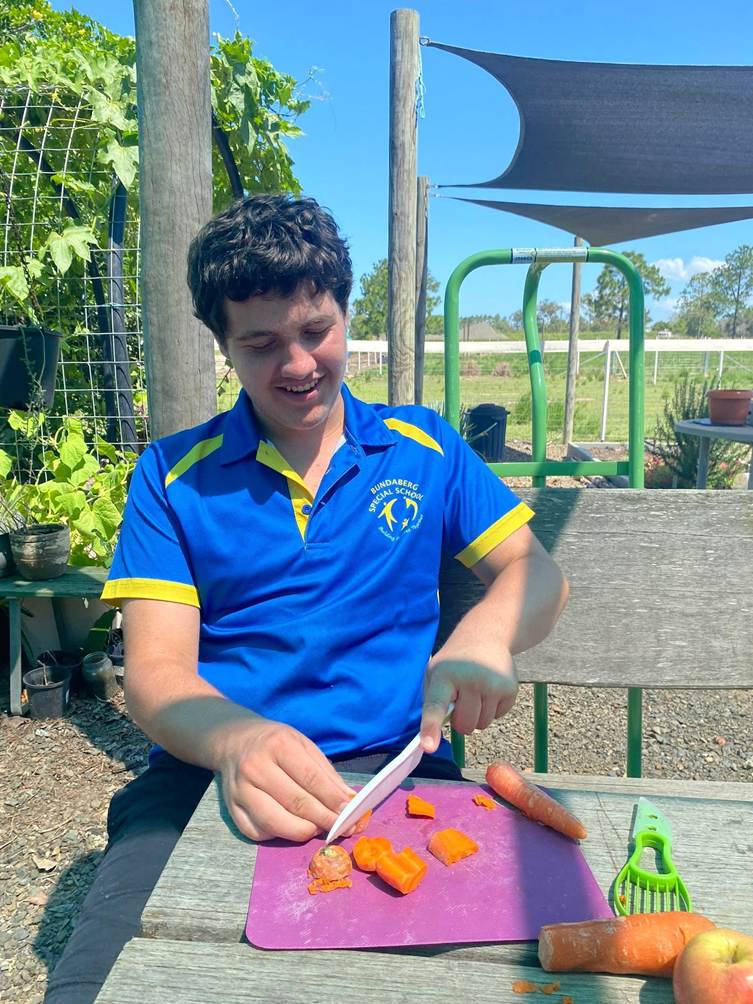
- Pincer Grip & Finger Strength: Picking through and sorting peas for the ducks, plucking tiny grass blades to hand-feed the guinea pigs, or picking up individual pieces of grain works the small muscles in the hands perfectly.
- Bilateral Integration: Using two hands together is a crucial daily skill. On the farm, this looks like holding a feed bucket steady with one hand while scooping grain with the other, or using both hands to turn a stiff water tap on and off.
- Hand-Eye Coordination & Force Modulation: Learning how hard or soft to squeeze is a massive milestone. Gently stroking a turtle, carefully fastening the latch on the goat gate, or placing a harness on a therapy dog all require intense visual-motor precision and physical self-control.
The Functional Advantage of Animal-Assisted Therapy
Activities on a farm aren’t abstract exercises; they are purposeful, real-life chores. Because a child is focused on a clear goal like making sure the ducks get their peas or the water troughs are full, they tend to persist through physical challenges much longer without realising how hard their muscles are working.
Whether it’s pushing open a heavy farm gate or carrying a container of feed, these activities directly translate into everyday independence, from sitting upright at a school desk to managing heavy school bags and fastening tricky uniform buttons.
Why a Farm Setting Offers More Diverse Opportunities
Traditional clinics are limited by four walls. A farm changes with the seasons, the weather, and the needs of the animals. This rich diversity means therapy never becomes repetitive. It allows an Occupational Therapist to constantly adapt the environment to find the “just-right challenge” for your child’s unique physical and developmental goals.
Experience Farm-Based Therapy in Bundaberg
If you are looking for motor skill or sensory support in Bundaberg that feels like play, our animal-assisted sessions offer a meaningful alternative to traditional clinics. By moving therapy outdoors and inviting our goats, alpacas, guinea pigs, and other animal friends into the session, we help children build the functional strength, coordination, and confidence they need to thrive in everyday life.